

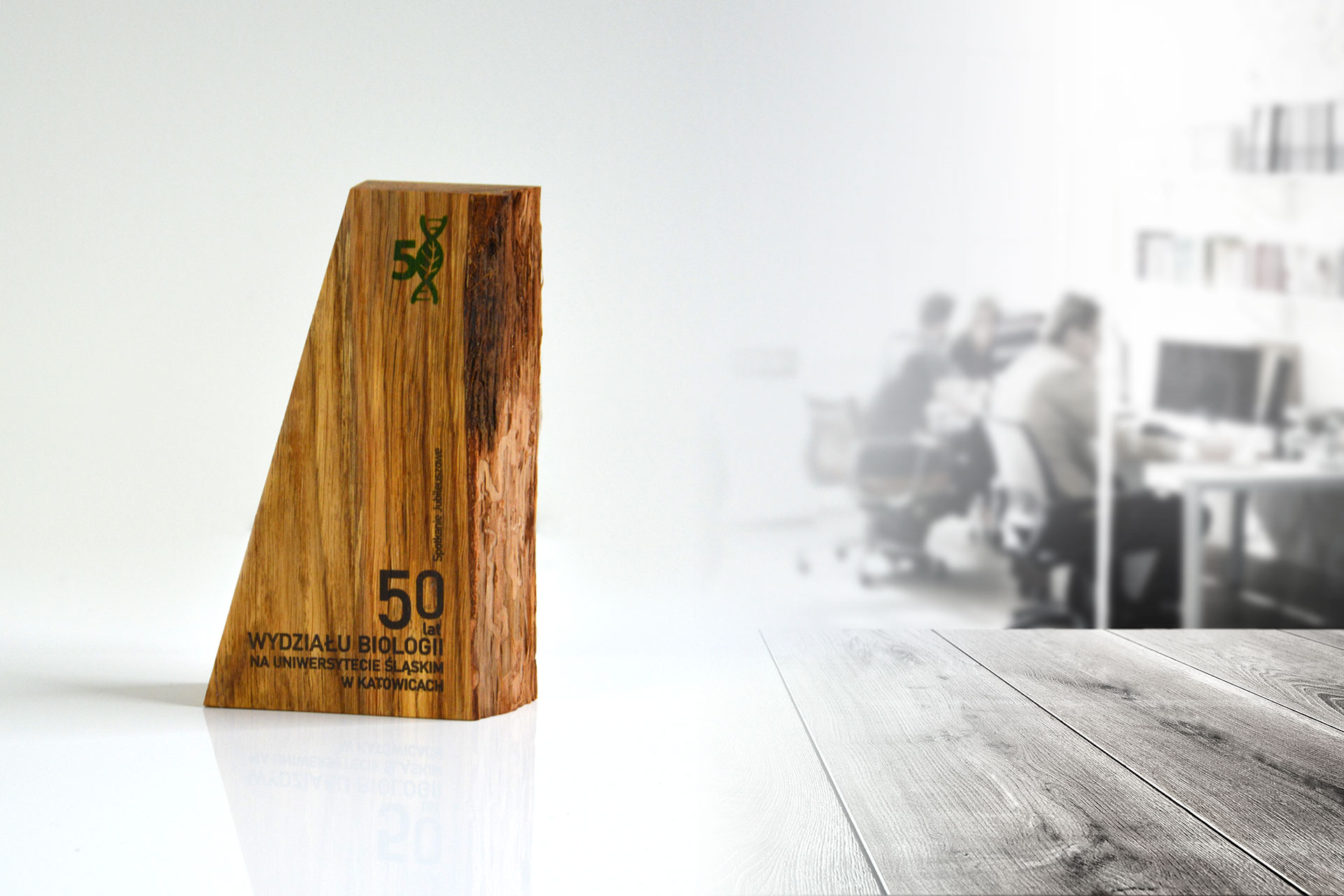
As a human race, we've come to realize that there's only one planet—like Mother Earth, after all. How we care for it directly impacts our quality of life. While just a decade or so ago it was difficult to convince anyone to take pro-ecological actions, today such behavior is commonplace, from sorting waste to giving it a second chance and a new lease on life.
RECYCLING VERSUS UPCYCLING
Recycling is no stranger to us. Derived from the English verb to recycle – recycle, this term refers to one of the methods of protecting the natural environment in which we live. The aim of recycling is primarily to reduce the consumption of natural resources while reducing the amount of waste we generate.. We strive to recycle materials as much as possible, limiting the use of raw materials for the production of new materials or their further processing.
Recycling understood in this way is implemented in two ways. On the one hand – We strive to ensure that manufacturers use recyclable materials when creating products.. At the same time, we are striving to create equipment that will enable the production of materials that are as recyclable as possible. On the other hand, we are placing emphasis on social awareness regarding the possibility of processing individual products, to reduce the amount of waste and reduce the amount of raw material in circulation.
Recycling is familiar to us because we've known it for years. However, when we hear the term "upcycling," the definition is no longer so obvious.
WHAT IS UPCYCLING?
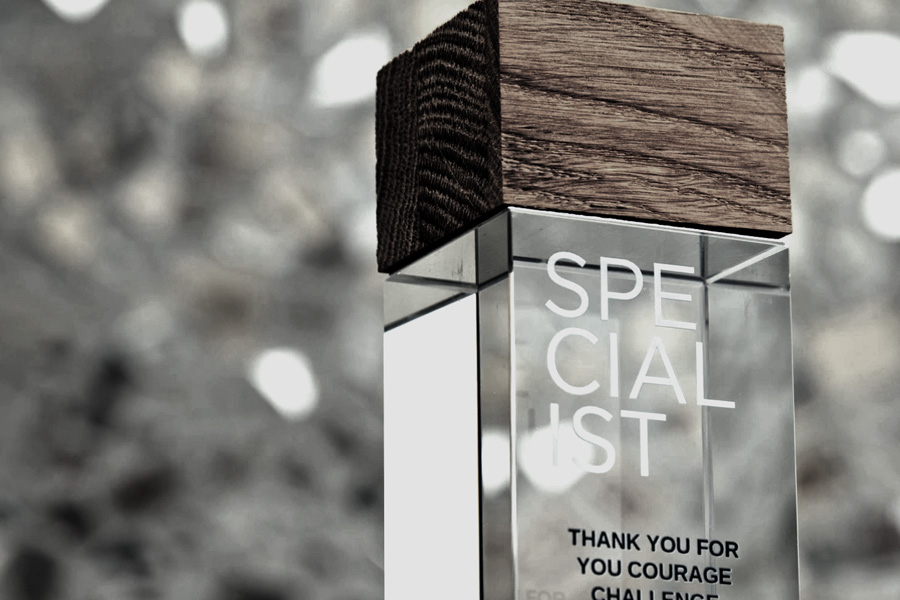
The term upcycling was coined by William McDonough and Michael Braungart, authors of the book Cradle to Cradle: Remaking the Way We Make Things. By upcycling – according to their definition – we mean a form of secondary waste processing that results in a product with a value greater than the base value of the raw materials used during production. It's not without reason that upcycling is commonly referred to as a higher form of recycling – it not only reduces the amount of waste and materials used, but also adds significant added value to people's lives in the form of new furniture, appliances, and accessories made at a low cost.
Although upcycling is becoming a fashionable phenomenon in our culture and we are dealing with it more and more often, in Third World countries it is quite common. It's not just old tarpaulins, billboards, and mailboxes that are being given new life there – you can also encounter bus wrecks, converted into fully functional and comfortable (for local conditions) apartments. It often happens that what we consider garbage and unnecessary materials are successfully used in another part of the world.
The natural opposite of upcycling is downcycling, which is the use of raw materials to produce less valuable items. The simplest example of this phenomenon is the recycling of worn or torn clothes into rags in many homes.
WHAT IS UPCYCLING MOST COMMONLY ABOUT?
The most common phenomenon is upcycling furniture, i.e. producing it from recycled materials of lower value than the furniture itself. This category includes the increasingly popular pallet furniture – not just sofas and stools, but also benches and shelves in which used Euro pallets have been repurposed.
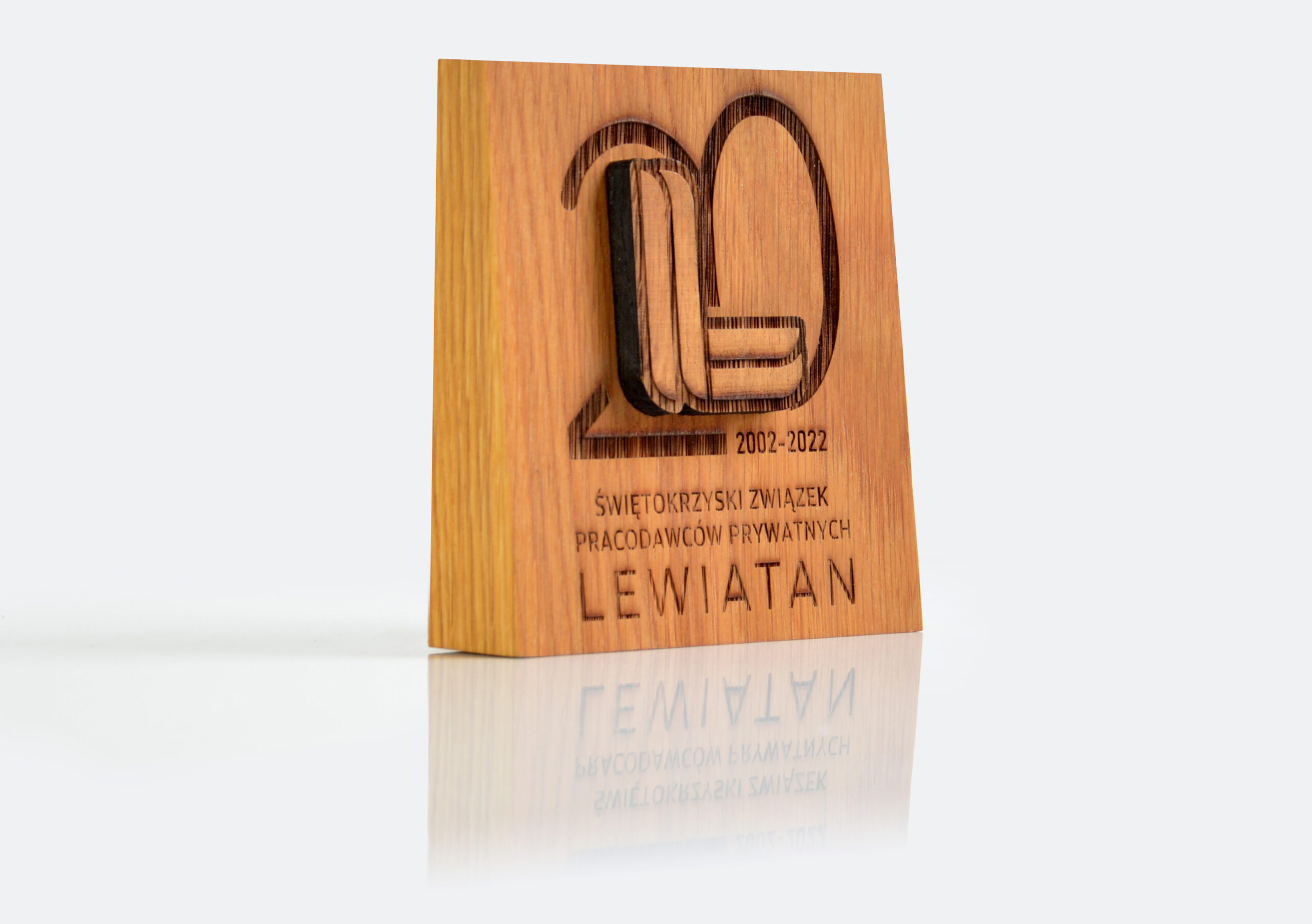
Upcycling furniture isn't just about pallets – other, increasingly popular solutions include using a large tree stump as a coffee table or nailing a garden bench from a plank and two tree stumps. We reuse raw materials to increase their value, including creating plant pot covers from plastic bottles, creating ornaments from used glass bottles, creating a sofa from an old refrigerator, creating stained glass windows from broken glass, or creating a delicate clothes hanger from scrap wire.
UPCYCLING IN FASHION – A SECOND LIFE IN THE SERVICE OF CLOTHING
While we're on the subject of clothes - they constitute the second important group of products created through upcycling. Why? Among the most common reasons we replace our wardrobe are three: something has gone out of style, we've gotten bored, or it no longer fits. Despite this, it's often a perfectly valuable item that wouldn't be a shame to throw away. It is also significant that over the last 15 years, global clothing production has doubled, significantly affecting the amount of waste in circulation.. Upcycling clothes is an attempt to tackle this problem and, contrary to appearances, has been known for years – transforming ripped, long jeans into comfortable and original shorts, giving them a new, better life, is probably no surprise to anyone. Many people, apart from the desire to save their clothes, are also motivated by the vision of creating something unique and original that will make the clothes designed in this way stand out from the "standard" products available on the market. For this reason, giving new life to waste to create clothes often goes far beyond improving existing wardrobes. Upcycling projects include dresses and coats made from bottles, and there's also no shortage of fashion products created from unwanted advertising banners – this is how waist bags, backpacks, and tote bags are created, among other things.
IMAGINATION, CREATIVITY AND GOOD DESIGN ARE WHAT COUNTS
When looking at upcycling, design plays a significant role. While we all know not to judge a book by its cover, it's the product's appearance that we "buy" first, before delving into its characteristics. Therefore, in the case of upcycled products, the raw materials used in production are partly secondary, while the design of the furniture or clothing we will use is paramount.
Moreover, the broadly understood concept should be distinguished art upcycling, i.e. art created through the creative use of waste. Italian immigrant Simon Rodia, who lived in the Watts district of Los Angeles, created an incredible upcycled work there between 1921 and 1954. It's the so-called Watts Towers—a complex composed of 17 structures, the largest of which is over 30 meters tall, all constructed from recycled materials such as scrap metal, ceramics, and broken glass. The next important date is 1942 – that is when Pablo Picasso constructed the "Bull's Head" – a sculpture made of rubbish, or more precisely, a bicycle saddle and handlebars. Another significant point in the art upcycling timeline is the 1990s, when Tim Noble and Sue Webster began creating art installations using waste.
UPCYCLING IN POLAND
In Poland, 2009 saw the work of Polish eco-designer Magdalena Godawa. Under the MakkireQu brand, she creates wicker from old newspapers, and then uses the recovered material to create a variety of products, such as baskets, lamps, handbags, pouffes, pillows, earrings, and bracelets. She dyes her work using beetroot, among other things, using natural, eco-friendly dyes. She also sews patchwork handbags, cosmetic bags, totes, and trinket cases from fabric scraps, proving that there is no material that cannot be given a new, better life.
It's hard not to notice the popularity of second-hand clothing stores, also known as thrift stores, in Poland. Their operating principles are straightforward: What may be useless, unnecessary clothing for one person may be a fully valuable product for another, often purchased for little money.. Thanks to such solutions, these clothes do not contribute to the already excessive amount of waste on our planet, and purchasing used clothes reduces the demand for new ones, thus minimally affecting the rate of their production.
Clothing in good condition is also often collected by various foundations that help those in need. This way, you can not only give clothes a new life but also provide real help to someone in a difficult life situation.